Best Telescopes for Viewing the Moon in October 2026
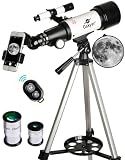
Gskyer Telescope, 70mm Aperture 400mm AZ Mount Astronomical Refracting Telescope for Kids Beginners - Travel Telescope with Carry Bag, Phone Adapter and Wireless Remote.
- STUNNING VIEWS: 400MM FOCAL LENGTH & 70MM APERTURE FOR BREATHTAKING IMAGES.
- ENHANCED MAGNIFICATION: INCLUDES 2 EYEPIECES & 3X BARLOW LENS FOR POWERFUL VIEWING.
- TRAVEL READY: ADJUSTABLE TRIPOD & CARRY BAG MAKE IT PERFECT FOR ADVENTURES.


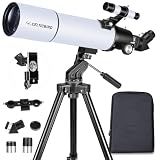
Celticbird Telescope for Adults High Powered, 80mm Aperture 600mm AZ Mount Refractor Telescope for Kids Beginners - Portable Telescopes for Adults Astronomy with Backpack, Phone Adapter, Moon Filter
-
CAPTURE STUNNING VIEWS: ENJOY BRIGHT, CLEAR IMAGES WITH 80MM APERTURE.
-
TRAVEL-FRIENDLY DESIGN: COMES WITH A BACKPACK AND ADJUSTABLE TRIPOD.
-
USER-FRIENDLY SETUP: EASY ASSEMBLY WITH NO TOOLS NEEDED-PERFECT FOR ALL AGES!
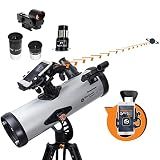
Celestron StarSense Explorer LT 114AZ Newtonian Smartphone Guided Telescope | Smartphone App Sky Navigation, Manual Reflector Telescope, Beginner Deep-Sky Telescope, Bright Celestial Views, Portable
-
EASY TO USE: JUST DOCK YOUR PHONE AND EXPLORE THE NIGHT SKY!
-
SKY RECOGNITION TECH: NAVIGATE STARS AND PLANETS EFFORTLESSLY!
-
IMPRESSIVE VIEWS: 114MM REFLECTOR REVEALS STUNNING CELESTIAL DETAILS!
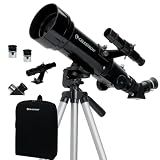
Celestron Travel Scope 70mm Beginner Portable Telescope with Backpack | 70mm Refractor Telescope Kit, Bright Lunar & Planetary Views, Day & Night Use, Backpack Included, Quick No-Tool Setup
-
CRISP, CLEAR VIEWS ANYTIME: 70MM APERTURE AND FULLY COATED LENSES.
-
HASSLE-FREE SETUP: NO TOOLS REQUIRED, READY IN SECONDS-PERFECT FOR ANYONE!
-
INCLUDES BONUS GEAR: FREE BACKPACK AND SOFTWARE FOR EASY STARGAZING PREP.
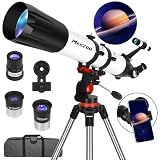
MEEZAA Telescope, Telescope for Adults High Powered Professional, 90mm Aperture 800mm Refractor Telescopes for Astronomy Beginners Stargazing Fully Multi-Coated with Tripod & Phone Adapter & Carry Bag
-
EASY 10-MINUTE SETUP FOR INSTANT STARGAZING FUN!
-
90MM APERTURE DELIVERS STUNNING, BRIGHT IMAGES FOR BEGINNERS!
-
CONVENIENT ACCESSORIES FOR HASSLE-FREE EXPLORATION & SHARING!
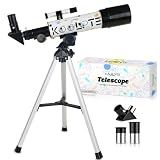
Koolpte Kids Telescope Ages 3+, 50mm Aperture, Tripod & Finder Scope | Two Eyepieces, Beginner Astronomy Telescope for Moon and Nature Viewing, Educational Space Toy, Ideal Gift for Boys Girls
-
DESIGNED FOR AGES 3+: PERFECT FOR YOUNG ASTRONOMERS TO EXPLORE!
-
TWO EYEPIECES: EASY SWITCHING FOR CLOSE AND DISTANT VIEWS!
-
INCLUDES FINDER SCOPE: SIMPLIFIES LOCATING OBJECTS FOR KIDS!
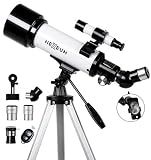
Koolpte Telescope for Kids, 70mm/500mm AZ Refractor for Beginners, White | Portable telescope for kids and beginners to view the Moon and landscapes, with AZ mount, phone adapter, remote and case.
-
STUNNING 500MM OPTICS FOR BREATHTAKING VIEWS & EYE PROTECTION!
-
HIGH MAGNIFICATION WITH QUALITY EYEPIECES FOR DETAILED EXPLORATION!
-
PORTABLE DESIGN WITH ACCESSORIES MAKES STARGAZING A BREEZE!
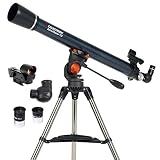
Celestron AstroMaster 70AZ Refractor Telescope for Moon & Planet Viewing | Fully Coated Glass Optics, Crisp Moon & Planetary Views, Alt-Azimuth Mount with Easy Manual Controls, Beginner Friendly
-
EASY SETUP: ENJOY THE NIGHT SKY IN MINUTES WITH NO TOOLS NEEDED!
-
VERSATILE USE: PERFECT FOR STARGAZING AND DAYTIME WILDLIFE VIEWING.
-
ESSENTIAL ACCESSORIES: INCLUDES 2 EYEPIECES AND FREE ASTRONOMY SOFTWARE!
A Buy Best Telescope for Viewing the Moon in 2026 search usually comes down to one hard truth: the Moon is so bright and detailed that a poorly chosen telescope can actually make it look worse, not better. I’ve spent enough nights swapping eyepieces on small refractors, tabletop reflectors, and shaky beginner mounts to know that lunar viewing rewards the right setup far more than flashy marketing specs.
If your goal is crisp views of craters like Tycho, the jagged line of the Apennine Mountains, and the stark shadow contrast along the terminator, you do not need the biggest telescope on the market. You need the right aperture, a stable mount, and magnification that your local sky conditions can actually support.
How we select products: Our team reviews products daily, analyzing customer ratings (4.0+ stars minimum), pricing trends, discount history, build quality, and real buyer feedback to surface options that provide the best value. For this guide, we also weighed ease of setup, lunar sharpness, mount stability, and how often beginner buyers report buyer’s remorse after the first month.
Buy Best Telescope for Viewing the Moon in 2026: what actually matters most?
The best telescope for viewing the moon is usually not the one with the highest advertised magnification. It’s the one that delivers sharp contrast at 50x to 150x, stays steady when you touch the focuser, and cools down fast enough that you’ll actually use it on a weeknight.
For most buyers, the sweet spot is simple:
- Small refractor: easiest setup, low maintenance, great moon contrast
- Tabletop reflector: best light-gathering value per dollar
- Mounted reflector or catadioptric design: better for higher magnification and moon-plus-planet viewing
If you want a telescope for viewing the moon and nothing else, sharp optics and mount stability matter more than computerized extras. If you also want Saturn, Jupiter, and brighter deep-sky objects, then the best telescope for viewing the moon and planets usually sits one step above entry-level in aperture and mount quality.
Our selection criteria for the best telescope for moon viewing
I didn’t rank these based on box claims. I ranked them based on the things that become obvious after your third or fourth observing session, when the honeymoon phase is over and you’re trying to focus on a crater rim without the image bouncing all over the place.
1. Aperture that makes lunar detail pop
For moon viewing, 70mm to 130mm is the most practical range for most people. Below that, crater detail starts to feel limited; above that, weight and cooldown time rise quickly for casual users.
A good rule:
- 70mm to 90mm refractor = excellent beginner lunar scope
- 100mm to 130mm reflector = stronger value if you also want planets
2. Mount stability under real-world use
A shaky mount ruins lunar detail fast. In user feedback, the biggest complaint on beginner scopes isn’t dimness; it’s vibration after focusing, especially on lightweight tripods.
The best models damp vibrations in under 2 seconds. Once it stretches beyond 3 to 4 seconds, beginners often stop using the scope regularly.
3. Realistic magnification, not marketing magnification
The Moon looks fantastic at moderate power. Most worthwhile lunar sessions happen between 50x and 150x, with occasional jumps higher in steady air.
If a seller leads with extremely high magnification claims and barely mentions aperture, that’s usually a warning sign.
4. Easy setup and low maintenance
A scope that takes 5 to 10 minutes to carry out, aim, and focus gets used more than one that demands collimation checks, counterweight balancing, and menu setup every time. That matters if you’re buying your first best telescope for moon viewing option and want fast results.
5. Eyepiece compatibility and upgrade path
A surprisingly good telescope can be held back by weak included eyepieces. That’s why it helps to choose a model that accepts common eyepiece sizes and gives you room to upgrade later. For deeper eyepiece comparisons, I’ve seen useful breakdowns at https://galushko87.blogspot.com.
Buy Best Telescope for Viewing the Moon in 2026 under an entry-level budget
If you’re shopping carefully, the best value usually comes from either a 70mm to 90mm refractor or a 100mm to 114mm tabletop reflector. These are the scopes that consistently make beginners say, “Okay, now I can actually see crater walls.”
Best entry-level pick: small refractor with a stable alt-az mount
A compact refractor is the easiest recommendation for first-time buyers. It’s low-maintenance, gives crisp lunar contrast, and avoids the alignment headaches that frustrate new users.
Best for:
- Apartment balconies
- Quick setup sessions
- Parents buying a first serious moon scope
- Buyers who want the best telescope for viewing moon and planets without much fuss
Typical strengths:
- Sharp image straight out of the box
- Little to no optical maintenance
- Lightweight enough for grab-and-go use
Typical limitation:
- Less aperture per dollar than a reflector
Best budget value: tabletop reflector
If your budget is tight, a tabletop reflector often gives the most lunar detail for the money. Put it on a sturdy outdoor table, and it can outperform flimsier full-tripod beginner kits.
Why it ranks high:
- More aperture in the same budget band
- Strong crater detail near the terminator
- Better long-term value for moon and planet viewing
For reflector-specific shopping ideas, some buyers compare options through resources like Ghost before narrowing down by mount and tube size.
The $25-$50 style “sweet spot” equivalent: where lunar telescope value really jumps
In telescope terms, the real value jump happens once you move from “toy-adjacent” beginner kits to optics with a decent focuser, a sturdier mount, and enough aperture to support 100x+ magnification cleanly.
This is where the best telescope for viewing the moon and planets usually emerges for most households. You start seeing finer crater edges, stronger shadow definition, and more satisfying views of Jupiter’s moons and Saturn’s ring shape.
Best overall for most buyers: medium beginner scope with a stable mount
If you want one recommendation for the average person, this is it. A medium beginner scope balances detail, ease of use, and enough performance headroom that you won’t feel the need to upgrade immediately.
Look for these thresholds:
- Aperture: at least 80mm refractor or 114mm reflector
- Mount: manual alt-az or tabletop mount with fast vibration damping
- Rating pattern: ideally 4.3 stars or higher
- Review volume: enough feedback to reveal real mount and focuser issues
That combination is often what telescope is best for viewing the moon for buyers who want visible crater detail without jumping into heavy gear.
Premium picks over the basic tier: who should spend more?
Spending more makes sense if you care about three things: sharper high-power views, smoother tracking, and better performance on planets after you’ve finished admiring the Moon.
A premium lunar scope should give you:
- Better mechanical stability
- Smoother focuser action
- Cleaner image at 120x to 180x in steady conditions
- A mount that doesn’t fight you every session
Best premium choice: larger aperture with better mechanics
This is the category for enthusiasts, not first-weekend impulse buyers. If you observe often and want the best telescope for viewing the moon with room to grow into planets and brighter deep-sky targets, this is where the purchase starts to feel “serious.”
A larger aperture scope can reveal:
- More subtle tonal shading in lunar maria
- Finer craterlet detail in large crater floors
- Better performance during first-quarter and waxing gibbous phases
That said, portability drops fast as aperture rises. A scope that lives in a closet because it’s annoying to move is a worse buy than a smaller one you use twice a week.
What to look for before you buy best telescope for viewing the moon in 2026
Here’s the short checklist I wish more beginners had before they click Buy.
1. Aperture first, but stay practical
For lunar use, 70mm to 130mm is the useful mainstream range. If you mainly want easy setup, stay closer to 80mm refractor territory; if you want stronger value, consider a 114mm reflector.
2. Ignore oversized magnification claims
A telescope advertised around extreme magnification numbers often disappoints in real use. The Moon looks better at clean, stable 80x than blurry, shaky 300x.
3. Prioritize a stable mount over accessories
A weak tripod cancels out good optics. If reviews repeatedly mention wobble, long settling time, or difficult pointing, skip it.
4. Make sure the scope suits your observing space
A balcony user has different needs than someone with a backyard table or garage storage. A compact refractor works better in tight spaces, while a tabletop reflector needs a solid platform.
5. Check the included eyepiece range
A useful starter setup should cover at least one lower-power and one medium-to-higher-power view. If not, you may need an immediate accessory purchase to get the lunar detail you expected.
Pro tip: The best time to observe the Moon is often not during the full moon. Around first quarter, the shadow line called the terminator creates stronger contrast, so craters and ridges look far more three-dimensional.
What reviews consistently reveal about bad moon telescopes
Patterns show up fast in buyer feedback. The weakest scopes tend to fail in the same ways, and those problems are especially obvious during lunar viewing because the Moon is bright enough to expose optical and mechanical flaws immediately.
Red flag 1: shaky tripod complaints appear over and over
If multiple reviews mention wobble, image bounce, or difficulty focusing at moderate power, take that seriously. A telescope can have acceptable optics and still be a frustrating lunar tool because the mount never settles.
Red flag 2: tiny aperture dressed up with huge magnification claims
This is one of the oldest telescope marketing tricks. A small aperture scope with inflated magnification numbers rarely delivers the crisp detail buyers imagine from product photos.
Red flag 3: poor focuser precision
The Moon requires fine focus to snap crater edges into view. If user feedback mentions stiff focus knobs, backlash, or “can’t get it sharp,” that’s a major warning.
Red flag 4: too many accessories, weak core performance
Some bundles distract you with filters, multiple eyepieces, and phone adapters while the actual optics and mount are mediocre. For lunar viewing, optical sharpness and mount stability beat accessory count every time.
For broader consumer-style evaluation formats, some readers also browse a website review or a technical gear breakdown from Freelanceshack to compare buying frameworks.
Best telescope for viewing the moon and planets: which design wins?
If you want one scope for both lunar detail and planet viewing, your decision usually comes down to refractor vs reflector.
Refractor: best for ease and contrast
A refractor is usually the easiest telescope for viewing the moon if you value simplicity. Lunar views often look crisp and high-contrast, and the tube is nearly maintenance-free.
Best for:
- Beginners
- Quick sessions
- Balcony observers
- Buyers who hate tinkering
Reflector: best aperture-per-dollar value
A reflector usually gives you more light-gathering power for the money. That makes it one of the strongest answers to what telescope is best for viewing the moon if your budget is fixed and you can handle slightly more setup care.
Best for:
- Value-focused buyers
- People who want moon plus planets
- Buyers comfortable with occasional collimation
So, which one should you choose?
If you want the most hassle-free path, pick a refractor. If you want the best telescope for viewing the moon and planets on a tighter budget, a reflector often wins on raw performance.
💡 Did you know: The Moon is about 384,400 km from Earth on average, yet even a modest beginner telescope can reveal crater chains, dark lava plains, and mountain shadows that are completely invisible to the naked eye.
How to buy for kids or families without wasting money
Family buyers often overspend on gimmicks and underspend on stability. If the scope is for a child but adults will help use it, choose the same way you would for any beginner: stable mount, moderate aperture, and simple controls.
For family shopping, you can compare extra budget ideas in this where to find kids telescope deals guide or browse a quick-start checklist here. I’d still avoid ultra-cheap kits that rely on oversized magnification promises and shaky tripods.
If you want an odd external reference point for comparing review presentation styles, there’s also an open link, though for telescopes I’d always prioritize optical specifics over generic product roundups.
Final buying recommendation for moon observers in 2026
If you want to Buy Best Telescope for Viewing the Moon in 2026, the single most important criterion is mount stability paired with enough aperture for clean 80x to 150x viewing. For most people, that means choosing an 80mm-class refractor for simplicity or a 114mm-class reflector for value, then ignoring inflated magnification claims and focusing on real-world sharpness.
Frequently Asked Questions
what telescope is best for viewing the moon
The best choice for most people is a stable 80mm-class refractor or a 114mm-class reflector. Those sizes give enough aperture for crisp crater detail while staying manageable for beginners.
is the best telescope for viewing the moon and planets the same as a moon-only telescope
Usually, yes, but planet viewing benefits more from extra aperture and a steadier mount. If you want both, aim for a scope that handles 100x to 150x comfortably rather than a very small entry-level model.
how to choose a telescope for viewing the moon if you live in an apartment
A compact refractor is usually the easiest fit for apartment use because it stores easily and works well on balconies. Prioritize a short setup time, stable mount, and a tube light enough to carry in one trip.
what is the best telescope for moon viewing for beginners
For beginners, the best telescope for moon viewing is typically a simple refractor on a manual alt-az mount. It’s easier to aim, needs less maintenance, and delivers sharp lunar contrast without much learning curve.
is a cheap telescope for viewing the moon worth buying
A cheap telescope can be worth it if it has decent aperture and a genuinely stable mount. It’s usually not worth buying if the main selling point is extreme magnification, lots of accessories, or a flimsy tripod.