
Best OLED Laptops to Buy in September 2026
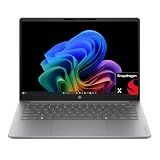
HP OmniBook 3 14 inch Next Gen AI PC, 2K Display, Snapdragon X X1-26-100, 16 GB RAM, 256 GB SSD, Qualcomm Adreno GPU, Windows 11 Home, Nouvelle Silver, 14-hz0288nr
-
STUNNING 2K OLED DISPLAY: VIVID COLORS AND SHARP VISUALS FOR PRODUCTIVITY.
-
SNAPDRAGON X1 PROCESSOR: FAST PERFORMANCE AND AI FOR ALL-DAY EFFICIENCY.
-
41+ HOURS BATTERY LIFE: QUICK CHARGE FROM 0-50% IN JUST 45 MINUTES.



Acer Swift Go 16in OLED Laptop Ultra 5 125H 8GB RAM 512GB SSD
- ELEVATE PRODUCTIVITY: NEXT-GEN AI OPTIMIZES WORKFLOWS FOR CREATORS.
- STUNNING VISUALS: EXPERIENCE VIBRANT 3.2K OLED FOR PRECISE EDITING.
- ENHANCED COMFORT: TUV CERTIFIED TO REDUCE EYE STRAIN FOR LONGER USE.
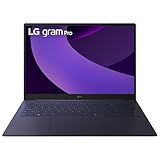
LG gram Pro 16-inch Lightweight Laptop Computer, Intel Evo Edition Powered by Intel Core Ultra7 255H Processor, Windows 11 Home, 32GB RAM, 1TB SSD - Metal Blue
-
ULTRA-LIGHT DESIGN: 2.7 LBS, 16” OLED FOR ULTIMATE PORTABILITY.
-
HYBRID AI: ON-DEVICE AND CLOUD FOR SEAMLESS MULTITASKING.
-
19.5-HOUR BATTERY LIFE: POWERED FOR UNINTERRUPTED PRODUCTIVITY.
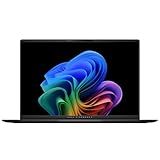
ASUS Vivobook S16 Laptop, Copilot+ PC, AMD Ryzen AI 7 350 with XDNA NPU, 16GB Memory, 1TB SSD, Neutral Black, M5606KA-DS76
-
STUNNING 16 3K OLED: VIVID VISUALS WITH 600-NIT HDR FOR OUTDOOR USE.
-
POWERFUL AMD RYZEN AI 7: 50 TOPS AI PROCESSING FOR TOP PERFORMANCE.
-
14-HOUR BATTERY LIFE: WORK AND PLAY LONGER WITHOUT FREQUENT RECHARGES.
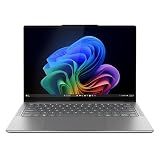
Lenovo Slim 7i Aura Edition - 2025 - Copilot+ PC - Core Ultra 7 Processor 256V - 14" WUXGA OLED Display - 16 GB Memory - 1 TB Storage - Luna Grey
-
17-HOUR BATTERY LIFE: WORK ALL DAY WITHOUT CHARGING INTERRUPTIONS!
-
ULTRA-PORTABLE DESIGN: LIGHTWEIGHT AND SLEEK FOR CREATORS ON THE MOVE.
-
SMART AI FEATURES: PERSONALIZED EXPERIENCE FOR BOOSTED PRODUCTIVITY.
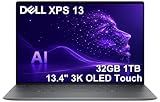
Dell XPS 13 9345 Laptop, 13.4" 3K OLED Touchscreen, X Elite, 32GB, 1TB SSD
-
27-HOUR BATTERY LIFE EMPOWERS ON-THE-GO CONTENT CREATION.
-
SNAPDRAGON X ELITE ENSURES LIGHTNING-FAST MULTITASKING PERFORMANCE.
-
CRISP 3K OLED DISPLAY ENHANCES PRODUCTIVITY AND VIDEO QUALITY.
In the world of ever-evolving technology, the debate between OLED and LCD laptops continues to be a hot topic among consumers and tech enthusiasts. As we move into 2025, choosing the right laptop display is crucial for enhancing your overall computing experience. This article delves into the key differences between OLED and LCD laptops, and offers guidance on selecting the right display technology to meet your needs.
Understanding OLED and LCD Technologies
Before we dive into comparing the two, it’s important to understand what OLED and LCD technologies entail.
OLED (Organic Light-Emitting Diode)
OLED displays are composed of organic compounds that emit light in response to an electric current. This technology offers several advantages including:
- Superior Contrast: OLED screens can display true blacks because individual pixels can be turned off completely, resulting in higher contrast ratios.
- Vibrant Colors: OLEDs are known for their vibrant and accurate color reproduction, making them ideal for tasks requiring precise color calibration.
- Thinner Displays: The lack of a backlight allows OLED screens to be thinner and more flexible.
LCD (Liquid Crystal Display)
LCD technology has been a staple in the laptop industry for years. LCDs use a backlight to illuminate their pixels and have the following characteristics:
- Brightness: LCDs can achieve higher levels of brightness, which is beneficial for use in well-lit environments.
- Durability and Longevity: LCDs tend to have a longer lifespan compared to OLEDs, which can suffer from burn-in.
- Generally Less Expensive: LCD technology can often be more cost-effective, making it a popular choice for budget-friendly laptops.
How to Choose Between OLED and LCD
When deciding between an OLED and LCD laptop, several factors should be considered:
Usage Requirements
-
Multimedia Consumption: If your primary use case involves watching movies or working with photography and video editing, the superior contrast and color accuracy of OLED may be more appealing.
-
Everyday Productivity: For typical web browsing, document editing, or spreadsheet tasks, an LCD might be sufficient and more cost-effective.
Budget Considerations
Consider how much you are willing to spend on a laptop. While OLEDs provide better visuals, they can be more expensive. If you're on a tighter budget, you might be interested in exploring best gaming laptops under $1000.
Longevity and Usability
OLED screens can be prone to burn-in over time, which might be a consideration if you plan to keep the same laptop for several years. In contrast, LCDs are typically more resilient, making them a preferable choice for long-term, heavy use.
Enhancing Your Laptop Experience
Regardless of which display technology you choose, optimizing laptop performance is essential. For instance, if you own a Samsung laptop, you can learn how to improve its efficiency.
Conclusion
The choice between an OLED and LCD laptop display ultimately depends on individual needs and preferences. Evaluate how you plan to use your laptop and what features matter most to you. By understanding the inherent qualities of each display type, you can make a more informed decision and find a laptop that will serve you well in the coming years. For those interested in programming, consider checking out programming-friendly hybrid laptops 2025 to explore cutting-edge options tailored for developers.
Whether you're a multimedia enthusiast or simply need a reliable workhorse, the right display can significantly impact your overall laptop experience. Remember to weigh all the factors before making your choice.