
Best Lightweight Suitcases in September 2026
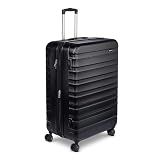
Amazon Basics 30" Hardside Large Checked Luggage, Hardshell Suitcase With Four Multi-directional Wheels, Expandable For Up to 15% More Space, Scratch-Resistant Shell, Black
- SPACIOUS DESIGN: FITS 2-3 WEEK TRIPS; AMPLE ROOM FOR ALL ESSENTIALS.
- DURABLE BUILD: SCRATCH-RESISTANT HARD SHELL WITHSTANDS TRAVEL WEAR.
- EXPANDABLE STORAGE: ADDS 15% MORE PACKING SPACE FOR FLEXIBLE ORGANIZATION.


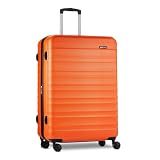
Amazon Basics 30" Hardside Large Checked Luggage, Expandable For Up to 15% More Space, Hardshell Suitcase With Wheels, Scratch-Resistant Surface, Four Multi-directional Wheels, Orange
- SPACIOUS DESIGN FITS 2-3 WEEK TRIPS; MEASURES 20.7 X 12.6 X 30.7 INCHES.
- DURABLE HARD SHELL PROTECTS AGAINST IMPACT; SCRATCH-RESISTANT FINISH.
- EXPANDABLE UP TO 15% FOR FLEXIBLE PACKING AND ORGANIZED ESSENTIALS.
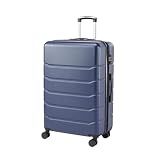
NEWBULIG 20 Inch Carry On Luggage, Suitcase with Spinner Wheels
- GLIDE EFFORTLESSLY WITH DUAL 360° SPINNER WHEELS FOR SMOOTH TRAVEL!
- STAY ORGANIZED WITH SPACIOUS COMPARTMENTS AND EXPANDABLE PACKING!
- TRAVEL SECURELY WITH A TSA-APPROVED LOCK FOR PEACE OF MIND!
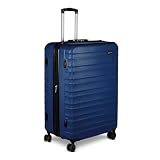
Amazon Basics 30" Hardside Large Checked Luggage with Multi-directional Wheels, Expandable for Up to 15% More Space, Scratch-Resistant Hardshell, Navy Blue
- SPACIOUS DESIGN PERFECT FOR 2-3 WEEK TRIPS, MEASURING 20.7 X 12.6 X 30.7.
- DURABLE, SCRATCH-RESISTANT SHELL PROTECTS AGAINST IMPACT AND ROUGH HANDLING.
- EXPANDABLE CAPACITY ADDS 15% MORE SPACE FOR FLEXIBLE PACKING OPTIONS.
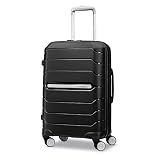
Samsonite Freeform Hardside Carry-On Luggage with Spinner Wheels - Hardshell Suitcase - TSA, Airline-Approved - Expandable Hard Shell, Smooth Rolling Wheels for Lightweight Travel – Black
- MEETS CABIN SIZE RESTRICTIONS FOR HASSLE-FREE TRAVEL!
- SCRATCH-RESISTANT EXTERIOR KEEPS YOUR LUGGAGE LOOKING NEW.
- AMPLE INTERIOR ORGANIZATION WITH ELASTIC STRAPS & DIVIDER!
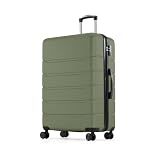
OLIXIS 20 Inch Carry-On Luggage, Hardside Suitcase with Spinner Wheels, Lightweight ABS Hard Shell Travel Luggage, TSA Approved Lock, Expandable Small Suitcase for Business & Travel–Olive Green
-
EFFORTLESS 360° MOBILITY AND ERGONOMIC HANDLE FOR EASY TRAVEL.
-
DUAL COMPARTMENTS WITH EXPANDABLE STORAGE FOR ORGANIZED PACKING.
-
DURABLE ABS SHELL AND TSA LOCK FOR SECURE, STYLISH TRAVEL.
Lightweight Suitcase Vs Hardside: Complete Guide in 2026 is more than a packing debate - it can decide whether you breeze through the airport or wrestle with cracked corners, overweight fees, and a bag that never quite fits your travel style.
If you’ve ever stood in a store squeezing a soft carry-on in one hand and tapping a glossy hard-shell case with the other, you already know the problem: both sound good, but they solve different travel headaches.
Here’s the good news. By the time you finish reading, you’ll know exactly which luggage type fits your trips, what features actually matter, which mistakes most buyers make, and how to choose a suitcase you won’t regret six months from now.
Lightweight Suitcase Vs Hardside: Complete Guide in 2026 - What’s the Real Difference?
At the simplest level, a lightweight suitcase is built to reduce overall bag weight, usually with softer fabrics, lighter frames, and more flexible construction. A hardside suitcase uses a rigid shell designed to protect contents and keep its shape under pressure.
That sounds straightforward. Real-world use is where the difference gets interesting.
I’ve traveled with both on short domestic flights, long international routes, train transfers, and road trips where luggage gets tossed in trunks and stacked in tight spaces. What you notice fast is this: lightweight luggage tends to win on flexibility and ease of lifting, while hardside luggage usually wins on structure, weather resistance, and protection.
Neither is automatically “better.” The right choice depends on how you pack, how often you travel, and what you’re carrying.
Lightweight Suitcase Vs Hardside: Complete Guide in 2026 for Different Types of Travelers
Your ideal suitcase depends less on trends and more on travel behavior.
Choose a lightweight suitcase if you:
- Pack bulky but not fragile items
- Need flexibility in overhead bins or car trunks
- Prefer exterior pockets for quick-access essentials
- Often worry about airline weight limits
- Want an easier bag to lift onto scales, trains, or hotel luggage racks
Softshell and lightweight carry-on luggage are especially useful if you’re a practical packer who likes a little give in the bag.
Choose a hardside suitcase if you:
- Carry breakable items, electronics, or structured clothing
- Travel in wet or rough conditions
- Want more impact resistance
- Prefer a cleaner, more modern look
- Like clamshell packing with divided compartments
For many frequent flyers, hardshell luggage feels more secure because it protects contents better when baggage handlers aren’t exactly gentle.
What to Look For in a Lightweight Suitcase Vs Hardside
No matter which side you’re leaning toward, these are the features that matter most in 2026.
-
Weight The whole point of a lightweight suitcase is reducing strain and avoiding overweight baggage issues. A lighter empty bag gives you more room for clothes, shoes, and souvenirs before hitting airline limits.
-
Shell or Fabric Durability Hardside luggage is often better for impact protection, while soft luggage can resist scuffs in a less obvious way. Check whether the material bends, scratches easily, or feels flimsy at stress points.
-
Wheel Quality Four spinner wheels are convenient, but cheap wheels fail fast. Look for smooth rolling, strong wheel housing, and stable movement over tile, carpet, and pavement.
-
Handle Strength A suitcase handle should extend and retract smoothly without wobbling. Weak telescoping handles are one of the first things to break on lower-quality luggage.
-
Interior Layout Good organization matters more than people think. Compression straps, zip dividers, and smart compartments can make one suitcase feel far more usable than another.
-
Expandability Some travelers swear by expandable luggage for last-minute packing flexibility. If that matters to you, these advantages of expandable suitcases are worth reviewing before you buy.
-
Water Resistance Hardside suitcases usually handle rain better, but some softside materials repel water surprisingly well. If you’re often traveling through unpredictable weather, this shouldn’t be an afterthought.
-
Size Compliance Carry-on rules vary more than most people realize. Before choosing, review current suitcase size recommendations so your bag works for the airlines you actually fly.
Why Lightweight Suitcase Vs Hardside Matters More Than You Think
The suitcase itself isn’t the goal. The experience of traveling with it is.
A bag that’s just two or three pounds lighter can make a huge difference on multi-leg trips. You feel it lifting into overhead bins, carrying it up hotel stairs, and dragging it through stations when elevators are out of service.
At the same time, a rigid hard-shell suitcase can save you from crushed toiletries, dented gift boxes, or wrinkled formalwear. That matters if you travel for weddings, business events, or longer international trips.
Then there’s the packing style issue. Lightweight soft luggage tends to be more forgiving if you overpack slightly. Hardside cases are less forgiving, but they often force better packing discipline.
That trade-off is the real decision: flexibility vs structure.
Lightweight Suitcase Vs Hardside: Complete Guide in 2026 for Carry-On Travel
For carry-on travelers, this choice gets even more important.
A lightweight carry-on is often easier to maneuver through crowded terminals and lift into bins. If you take short trips or travel solo, that reduced effort can be a major quality-of-life upgrade.
Meanwhile, a hardside carry-on gives you peace of mind if you’re carrying tech gear, delicate items, or neatly folded outfits. It also tends to keep its shape better, which some travelers prefer for organized packing.
If you’re trying to stay ultra-mobile, it’s also smart to compare a standard carry-on with the best underseat suitcase options available now. For quick trips, many travelers discover they don’t need a full-size cabin bag at all.
Pros and Cons: Lightweight Suitcase vs Hardside Luggage
Let’s make this practical.
Lightweight suitcase pros
- Easier to lift and carry
- Often more flexible in tight spaces
- Usually includes exterior pockets
- Better for travelers trying to avoid weight fees
- Can be ideal for road trips and short-haul travel
Lightweight suitcase cons
- Less protection for fragile items
- Fabric can tear or wear over time
- Usually less weather-resistant than hard shells
- Can lose shape when heavily packed
Hardside suitcase pros
- Better protection for contents
- More resistant to rain and spills
- Maintains shape well
- Often easier to wipe clean
- Great for structured packing systems
Hardside suitcase cons
- Can be heavier, depending on material
- More likely to show scratches and dents
- Less flexible in tight storage spaces
- Usually no exterior pockets
Which Is Better for Checked Luggage?
For checked baggage, hardside often has the edge.
Why? Because checked suitcases are handled roughly. They’re stacked, dropped, squeezed, and shoved onto belts. A rigid shell usually protects packed items better under that kind of pressure.
That said, soft lightweight luggage still makes sense if your priority is maximizing packing capacity while staying under weight limits. If you mostly pack clothes, shoes, and non-breakables, a lightweight checked suitcase can work beautifully.
💡 Did you know: Many travelers assume all hardside luggage is heavy. That’s outdated. Newer materials have made some hard-shell suitcases surprisingly light, though quality still varies a lot.
Expert Recommendations: How to Choose the Right One Without Regret
This is where most people go wrong: they shop based on appearance first, then discover the suitcase doesn’t fit their actual travel routine.
Here’s the smarter approach.
1. Match the suitcase to your most common trip
Don’t buy for your dream vacation. Buy for the trips you actually take most often.
If you mainly do weekend flights, a lightweight carry-on or one of today’s compact travel suitcases may be the better fit. If you often check bags on longer trips, hardside becomes more compelling.
2. Test lift, roll, and handle comfort
A suitcase can look premium and still feel awkward. Lift it fully extended, pull it beside you, and check whether it tips easily when loaded.
3. Think about your packing habits honestly
If you always stuff in “just one more thing,” softside may save you frustration. If you love neat sections and compression panels, hardside may feel far more satisfying.
4. Don’t ignore storage at home
Hardside luggage takes up the shape it takes up. Soft luggage can sometimes compress a bit more in closets or under beds.
5. Buy quality where failure hurts most
Wheels, zippers, and handles matter more than flashy design. A stylish suitcase with poor wheel durability becomes annoying fast.
Pro tip: If you’re buying on a budget, prioritize wheel performance and handle stability over cosmetic finish. A few surface scuffs are harmless. A broken wheel on travel day is not.
Common Mistakes People Make in the Lightweight Suitcase Vs Hardside Debate
A lot of buyers repeat the same errors.
-
Assuming lighter always means better
Too light can sometimes mean weaker construction. -
Ignoring airline restrictions
A perfect bag is useless if it doesn’t fit your most-used carrier’s rules. -
Choosing based only on looks
Glossy shells and sleek styling don’t tell you how the suitcase handles on uneven ground. -
Not considering packing style
Your habits matter as much as the suitcase specs. -
Overlooking value opportunities
If you’re leaning hard-shell, browsing an affordable hardshell suitcase sale can help you compare features without overspending.
How to Get Started: Your Next Steps
If you’re still deciding, use this simple framework.
Pick lightweight luggage if:
- You prioritize low bag weight
- You travel often with carry-ons
- You want outside-access pockets
- You pack mostly soft, non-fragile items
- You need flexibility in tight travel spaces
Pick hardside luggage if:
- You check bags often
- You carry fragile or structured items
- You want better weather resistance
- You like compartmentalized packing
- You prefer a more protective shell
Still torn? Start by listing your last five trips. Look at trip length, airline type, whether you checked or carried on, and what you packed. Patterns show up quickly, and those patterns usually point clearly toward one luggage style.
The best suitcase is the one that disappears into the background and makes travel easier. Choose for your routine, not the showroom, and you’ll feel the difference on every trip.
Frequently Asked Questions
is a lightweight suitcase better than a hardside suitcase?
A lightweight suitcase is better if you care most about low weight, flexibility, and easy lifting. A hardside suitcase is better if you need stronger protection, more structure, and better resistance to rough handling.
which suitcase is best for international travel softside or hardside?
For international travel, hardside is often the safer choice because checked luggage gets handled more aggressively and weather conditions can vary. Softside still works well if you pack mostly clothes and want more flexibility and potentially lower bag weight.
do hardside suitcases crack easily?
Some do, especially lower-quality models exposed to hard impacts or extreme pressure. Better-built hardside suitcases are designed to flex slightly rather than crack, so material quality makes a huge difference.
what is the best suitcase type for carry on travel?
For carry-on travel, the best suitcase type depends on how you pack and move through airports. Lightweight softside bags are easier to lift and squeeze into tight spaces, while hardside carry-ons protect electronics and structured clothing better.
should i buy a lightweight suitcase or hardside luggage on a budget?
On a budget, focus less on the category and more on durability in the wheels, handle, and zippers. If you can find strong construction and useful features, either a lightweight suitcase or hardside luggage can be a smart buy.